Business relocation is one of the most complex operational challenges a company can face. Whether it is a small office or a large corporate headquarters, moving involves careful planning, coordination, and execution. A poorly managed move can result in costly downtime, lost productivity, and operational disruption. This is where professional movers play a critical role in ensuring a seamless transition.
Experienced relocation specialists bring structured processes, advanced tools, and trained teams that help businesses move quickly and safely while maintaining continuity. Their goal is simple: reduce downtime and maximize efficiency so the company can resume operations as quickly as possible.
Strategic Planning Before the Move
Every successful business relocation begins with detailed planning. Professional moving companies conduct an initial assessment of the business environment, inventory, equipment, and timeline requirements. This stage is crucial because it sets the foundation for the entire relocation process.
During planning, movers create a customized relocation roadmap that outlines each step of the move. This includes packing schedules, transportation logistics, labeling systems, and installation plans at the new location. By organizing everything in advance, businesses avoid confusion and delays on moving day.
Professional movers also coordinate with business managers to ensure that critical departments experience minimal disruption. Office moving companies Piscataway For example, IT systems, customer service operations, and financial departments are often prioritized for faster setup.

Efficient Packing and Asset Protection
One of the most important aspects of business relocation is the safe handling of equipment and assets. Professional movers use industry-grade packing materials and techniques to protect sensitive items such as computers, servers, office furniture, and confidential documents.
Each item is carefully labeled and categorized, ensuring that it is easily identifiable during unpacking. This system significantly reduces confusion and speeds up reinstallation at the new office location.
Special attention is given to fragile and high-value equipment. Movers often use custom crates, anti-static packaging for electronics, and secure wrapping materials to prevent damage during transport. This level of protection ensures that businesses do not suffer financial losses due to broken or misplaced assets.
Minimizing Downtime Through Smart Scheduling
Downtime is one of the biggest concerns during any business relocation. Professional movers address this by implementing smart scheduling strategies. Instead of disrupting normal working hours, many relocations are planned during weekends, holidays, or after business hours.
This approach allows companies to continue serving customers with minimal interruption. In some cases, movers even execute phased relocations, where departments are moved one at a time to maintain partial operations throughout the process.
By carefully timing each stage of the move, businesses can significantly reduce productivity losses and maintain operational continuity.
Advanced Logistics and Transportation Management
Transportation is another critical factor in business relocation. Professional movers utilize specialized vehicles designed to safely transport office equipment and large furniture. These vehicles are equipped with secure loading systems, shock absorption features, and climate control when necessary.
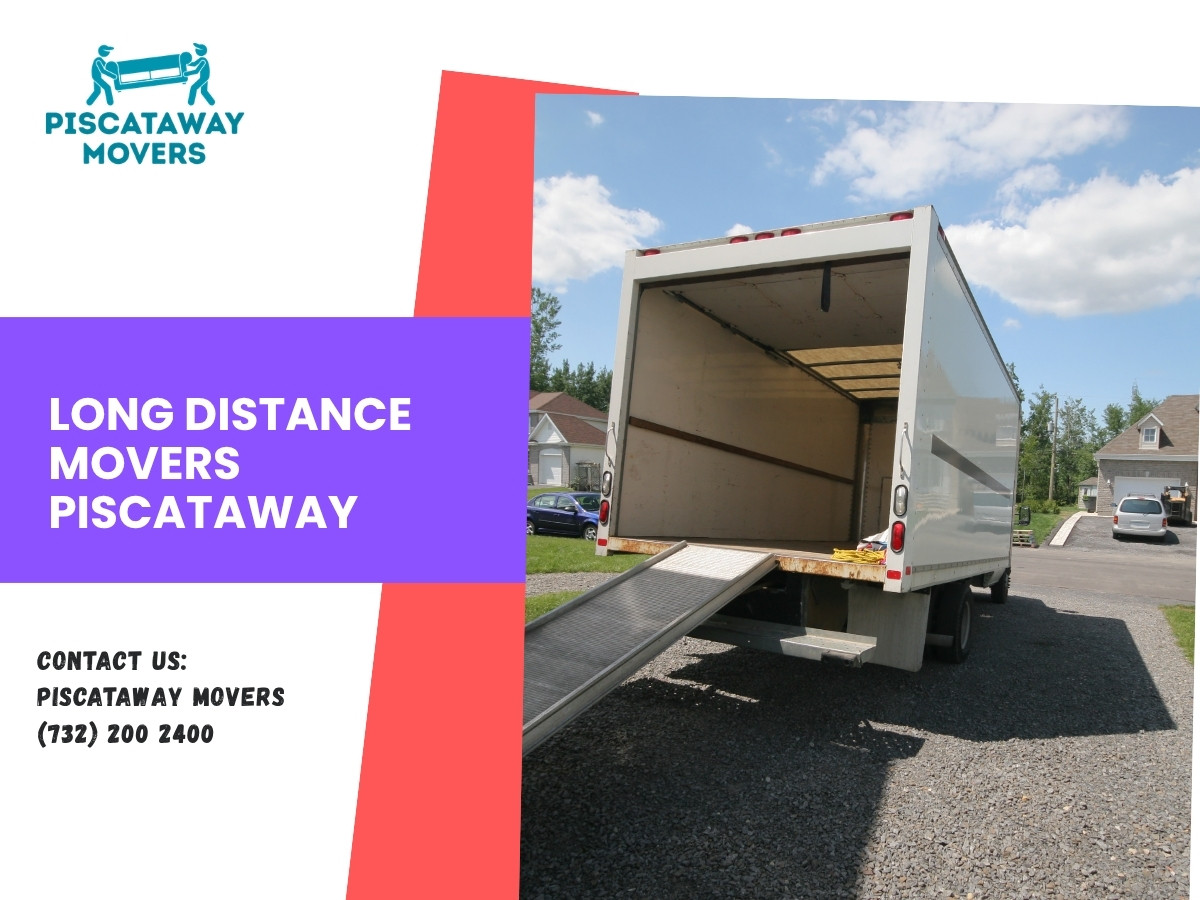
Logistics teams monitor the entire transportation process in real time to ensure timely delivery and prevent delays. Route optimization is also used to avoid traffic congestion and reduce travel time.
In large-scale relocations, multiple vehicles may be deployed simultaneously, each assigned to specific departments or asset categories. This structured approach ensures efficiency and organization throughout the journey.
Technology-Driven Moving Solutions
Modern professional movers rely heavily on technology to streamline operations. Digital inventory systems allow teams to track every item from packing to delivery. This eliminates the risk of lost or misplaced assets during the move.
Some companies also use project management software to coordinate tasks, assign responsibilities, and monitor progress in real time. This transparency ensures that both the moving team and business management stay informed throughout the process.
Additionally, GPS tracking systems provide real-time updates on transportation vehicles, helping businesses know exactly when their equipment will arrive at the new location.
Specialized Handling of IT Infrastructure
One of the most sensitive aspects of business relocation is IT infrastructure. Servers, networking equipment, and data storage systems require specialized handling to prevent data loss or system damage.
Professional movers often work closely with IT teams to properly disconnect, pack, and reinstall systems. They follow strict protocols to ensure data security and hardware integrity.
In many cases, backup systems are created before the move to safeguard against unexpected issues. Once at the new location, IT systems are quickly reassembled and tested to ensure full functionality before business operations resume.
Unpacking and Workspace Setup
The relocation process does not end with transportation. Professional movers also assist in unpacking and setting up the new workspace. This includes furniture arrangement, workstation setup, and equipment installation.
Because items are labeled and organized during packing, the unpacking process is significantly faster and more efficient. Each department can quickly identify and access its equipment, reducing downtime further.
Movers often follow predefined floor plans to ensure that the new office layout matches the company’s operational needs. This helps employees settle into their new environment without confusion or delay.
Risk Management and Contingency Planning
Unexpected challenges can arise during any relocation. Professional movers prepare for this by developing contingency plans. These plans address potential issues such as delays, equipment damage, or logistical disruptions.
Insurance coverage is also a key part of risk management. Most reputable moving companies offer insurance options that protect businesses against financial losses during the relocation process.
By preparing for risks in advance, movers ensure that even unexpected situations do not significantly impact the success of the move.
Conclusion
Business relocation is a complex process that requires precision, coordination, and expertise. Professional movers play a vital role in ensuring that companies transition smoothly with minimal downtime and maximum efficiency.
Through strategic planning, advanced logistics, secure packing, and technology-driven solutions, they help businesses relocate without disrupting operations. From IT systems to office furniture, every detail is managed with care and efficiency.
In today’s fast-paced business environment, partnering with experienced relocation specialists is not just a convenience—it is a necessity for maintaining productivity and ensuring long-term success.
Contact Us:
Piscataway Movers
(732) 200 2400